When your chief engineer retires, what leaves with them?
Five signs your building depends on one person's memory, and three practical steps to capture what they know before they leave.
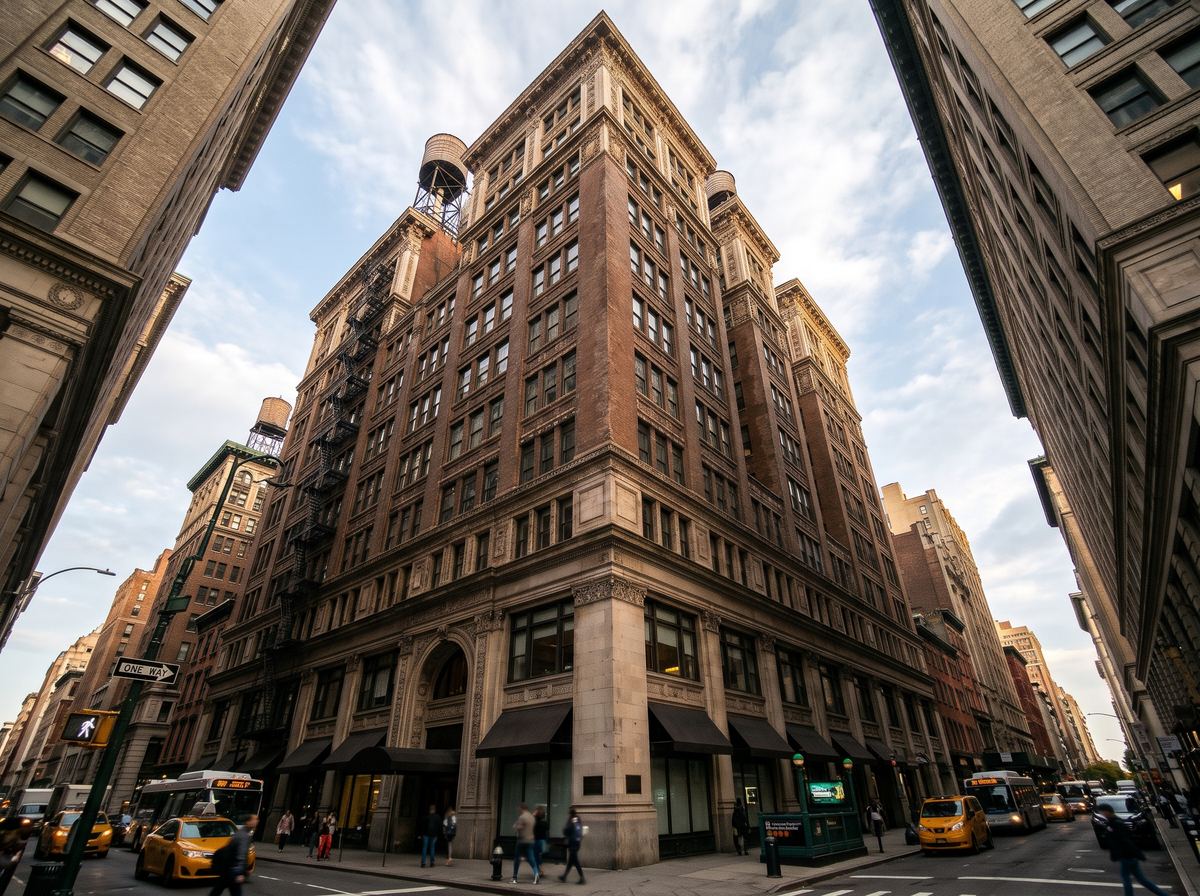
Every building has one. The person who knows that the number two chiller needs an extra minute of run time before it loads properly. Who knows which valve in the basement actually isolates the third floor, and which one only looks like it does. Who gets the call at 2 a.m. even when they aren't on call, because everyone knows they'll pick up.
When that person retires, the equipment stays. The drawings stay, mostly. What leaves is everything that was never written down: the workarounds, the history, and the judgment about what's normal and what isn't.
Why this is easy to miss
Knowledge risk doesn't show up on a dashboard. Work orders still close and the building still runs. The gap only appears when something unusual happens, and by then the person who would have known what to do is gone.
It also hides behind good people. A strong chief engineer makes a building look well documented, because problems get solved quickly. That speed comes from their memory. The binder on the shelf has very little to do with it.
Why it's getting more urgent
The timing is getting tighter. In IFMA's 2026 salary report, nearly 40% of facility managers said they expect to retire within the next ten years, and it now takes employers an average of 17 weeks to fill a facility management vacancy. That's four months when the knowledge may already be gone.
Older research outside facilities points the same way. In a 2018 Panopto survey of 1,000 workers across industries, respondents said 42% of what they know in their role is unique to them. Facilities wasn't studied separately, but anyone who has covered for a long-time engineer will recognize the pattern.
Five signs your building depends on one person
- The same name comes up every time someone asks who knows how something works.
- Vacations get planned around one person's schedule.
- Procedures exist, but people still call that person instead of reading them.
- New hires learn by following someone around, with nothing written to take away.
- Vendors ask for that person by name when they arrive.
If two or more of these sound familiar, the risk is real, even if nothing has gone wrong yet.
Where to start
You don't need a big documentation project to make progress. Start with the systems where a mistake would hurt most: the central plant, electrical and emergency power, and fire and life safety. Then work through three steps.
1. Walk the systems together
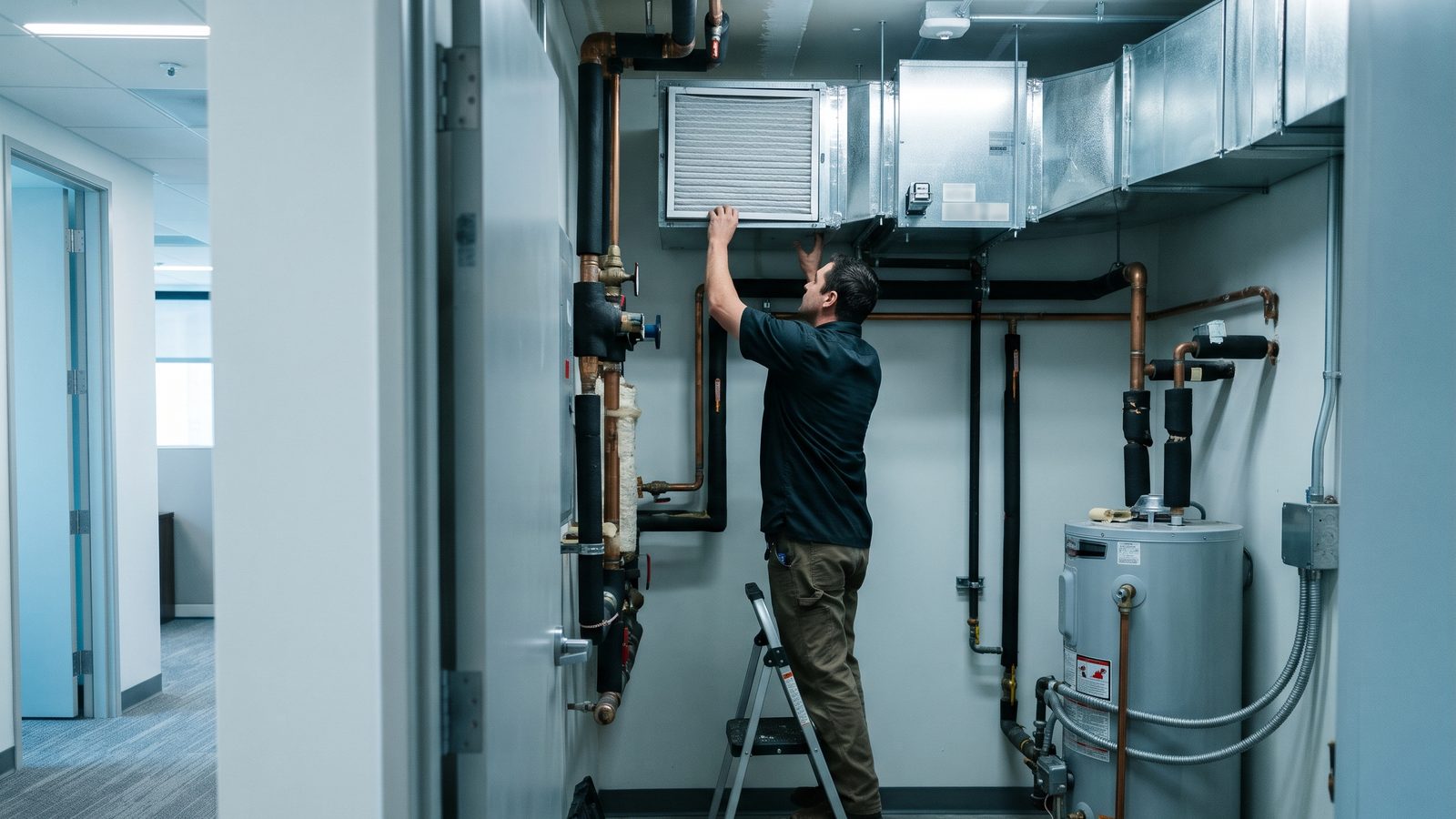
Book 45 minutes with the person who knows the system best, at the equipment rather than in a meeting room. Ask them to show you a normal day first, then what they do when it breaks. With their consent, record it on a phone and take a photo of everything they point at. One question tends to produce the most useful answer: “What would a new person get wrong here?”
2. Turn each walk-through into one page
Within a couple of days, turn the recording into a one-page checklist. Keep it short enough to read standing at the equipment. Then hand it back to the expert and let them mark it up. Their corrections are often the most valuable part.
3. Train a backup
Pick one person to shadow the next few tasks on that system. On the fourth, the backup does the work while the expert watches. Anything that surprises the backup is something missing from the page.
How you ask matters
People sometimes hear “let's document what you know” as “we're planning to replace you.” Be direct about why you're doing it. Most experienced engineers are proud of what they know and glad to see it last. Treating it as their legacy, and putting their name on the procedures they help write, goes a long way.
Know where you stand
If you aren't sure which systems carry the most risk, the free Torchpass screening scores each area of your building on four factors: how critical it is, how many people can run it, how well it's documented and how soon the role might turn over. Your answers stay on your device.
Sources
- IFMA: What the 2026 Global Salary Report reveals about the future of facility management (June 2026)
- HR Dive: Inefficient knowledge sharing costs large US businesses $47M a year, reporting Panopto's 2018 survey of 1,000 workers
Suggest an edit or a topic
Keep reading
 Asset list
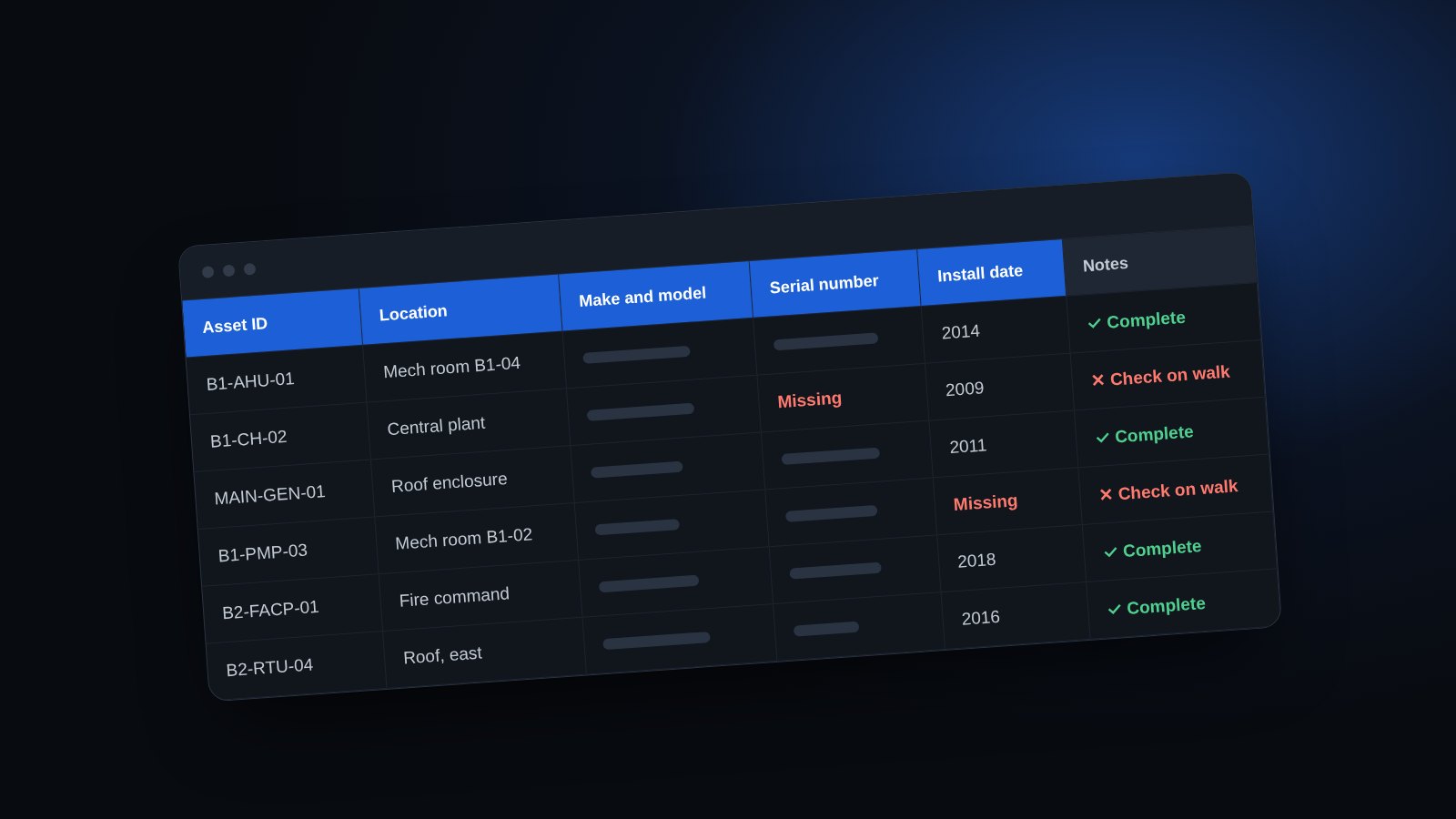
What a good building asset list includes (free template)
The fields every building equipment list needs, how to build one in a few days, and how to keep it current. Includes a free spreadsheet template.
 AI readiness
Is your building data ready for AI? Five things to check first
Before you sign up for an AI tool for facilities, check these five areas: equipment records, work order history, procedures, BAS data and ownership.