How to write a one-page SOP your technicians will actually use
A simple six-part template for facilities procedures that fit on one page, plus how to write, test and maintain them with your team.
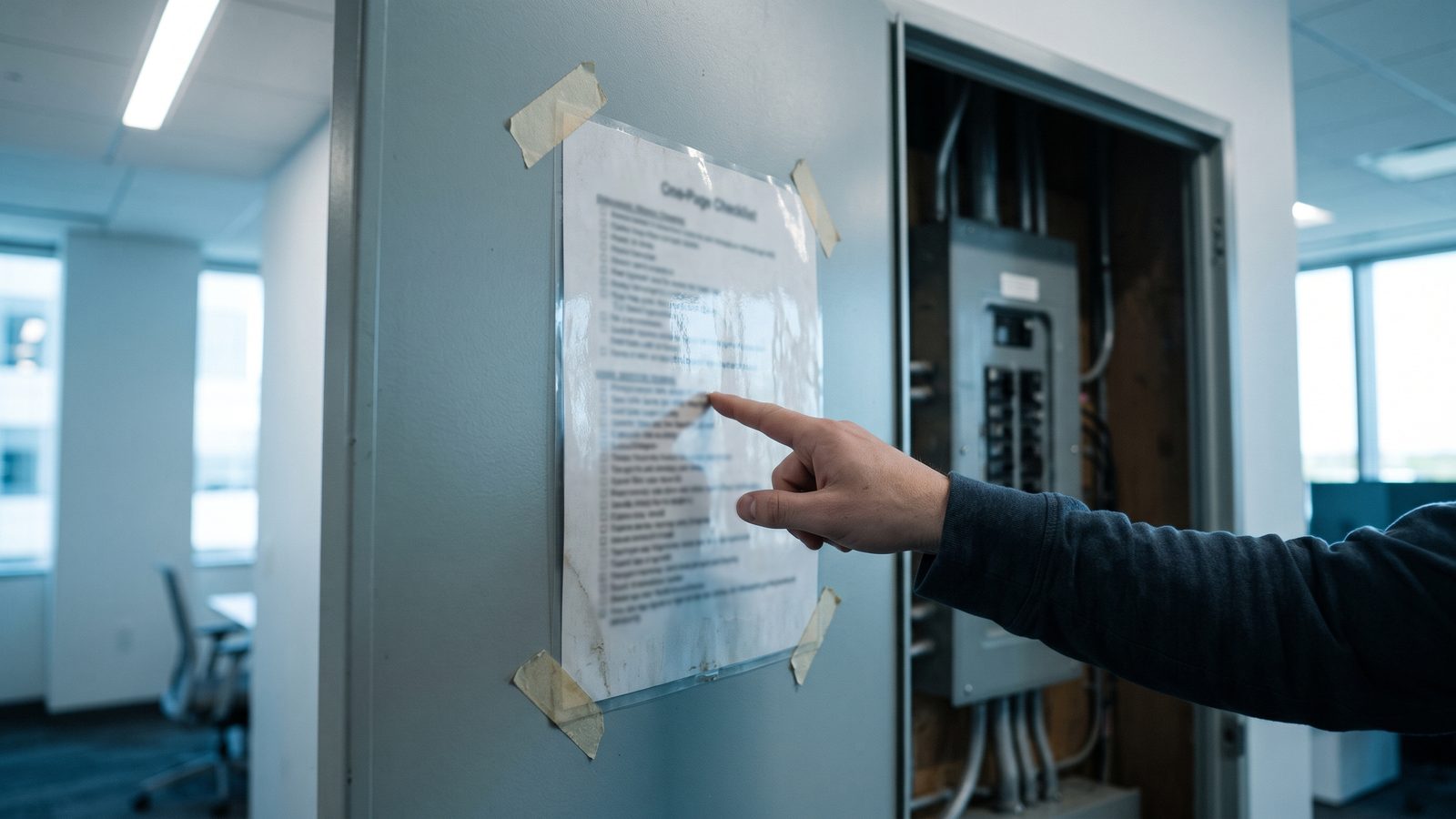
Plenty of buildings have procedures. Fewer have procedures anyone reads. The usual problem is length. A twelve-page document written for an auditor isn't much help to a technician standing in a mechanical room with a phone in one hand.
A one-page format fixes most of that. It forces you to keep what matters and cut the rest. Here's a structure that works for most facilities tasks.
The six parts of a one-page SOP
1. Title and purpose
One sentence on what the procedure is for. “Reset the fire alarm panel after a false alarm” is more useful than “Fire Alarm System Procedure.”
2. When to use it
The trigger: an alarm, a season, a request or a schedule. This helps the reader confirm they've found the right page.
3. Safety first
Personal protective equipment, lockout/tagout requirements and anything that must never be done. Put it near the top so nobody reads it after the fact.
4. The steps
Numbered, with one action per step. If a step needs a photo to be clear, add one. A picture of the right valve saves more time than a paragraph describing it.
5. If something goes wrong
What to check, and who to call. Include a role and a phone number, plus the vendor if it's their equipment.
6. Owner and review date
Who keeps the page current, and when it was last checked. A date on the page tells the reader how much to trust it.
Write it with the person who does the work
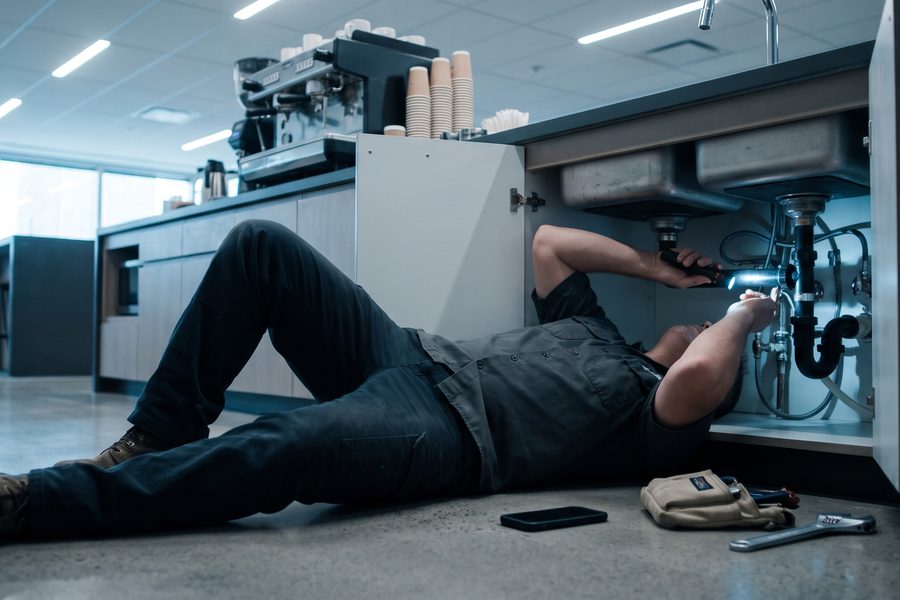
The best first draft comes from watching someone do the task. Take notes as they go, ask why at each step and write it up the same day. Then have someone else follow the page while the expert watches. Wherever the second person hesitates, the page needs work.
Start with three
Don't try to write everything at once. Ask your team which three tasks they get asked about most, and start there. One page a week per system is a pace most teams can keep, and after a quarter you'll have covered the tasks that matter most.
Keep them where people look
A procedure nobody can find might as well not exist. Keep them in one shared place, link them from the equipment record in your CMMS if you have one, and consider a QR code on the equipment that opens the right page.

Review once a year
Equipment gets replaced, vendors change and steps drift. Put a yearly review on the calendar for each page, with the person who does the work. Thirty minutes is usually enough to mark up what has changed.
Want to know which systems in your building need procedures most? The free Torchpass screening ranks each area by knowledge risk and gives you a phased plan, including this template.
Suggest an edit or a topic
Keep reading
 Asset list
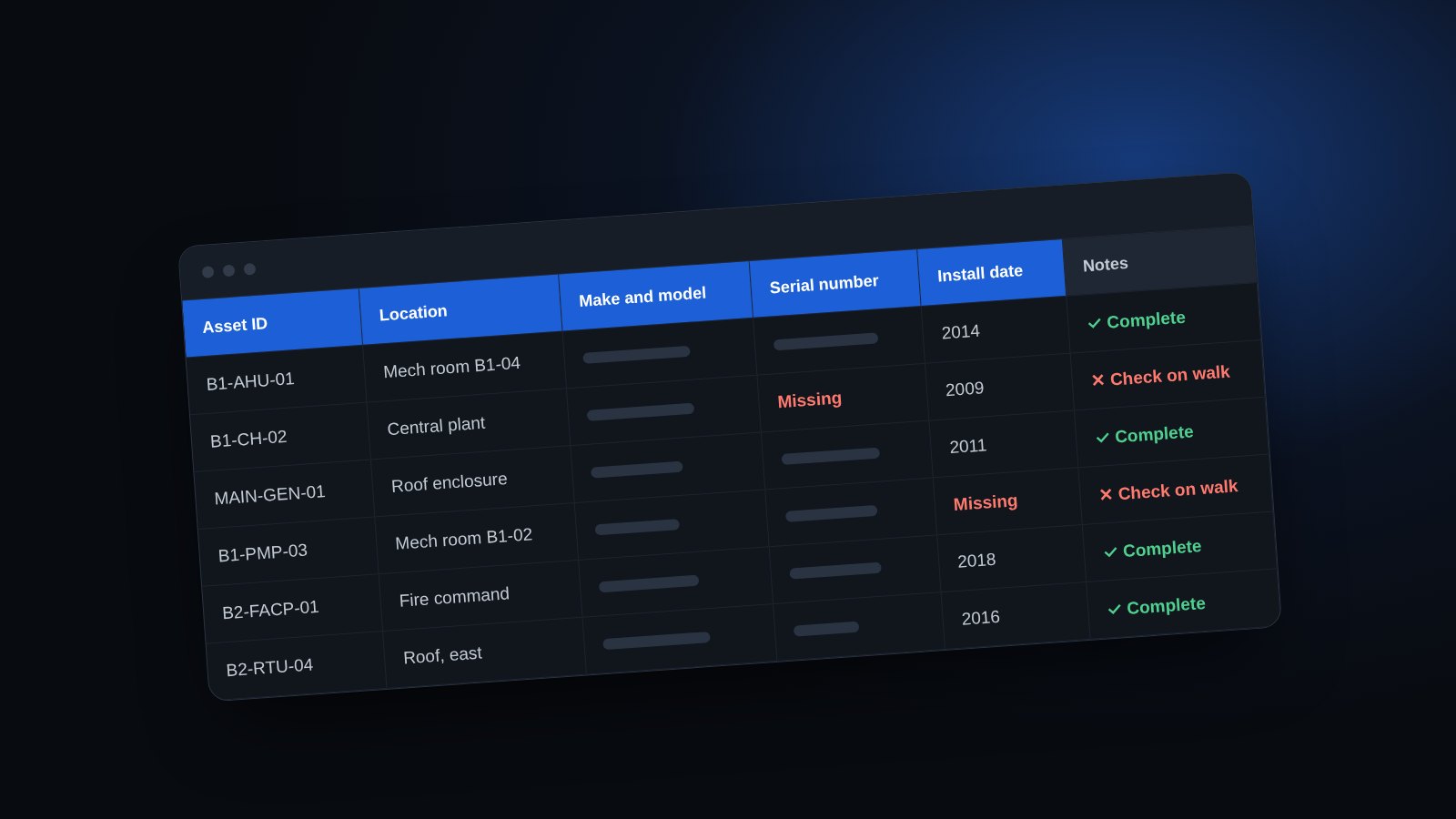
What a good building asset list includes (free template)
The fields every building equipment list needs, how to build one in a few days, and how to keep it current. Includes a free spreadsheet template.
 Knowledge risk
When your chief engineer retires, what leaves with them?
Five signs your building depends on one person's memory, and three practical steps to capture what they know before they leave.